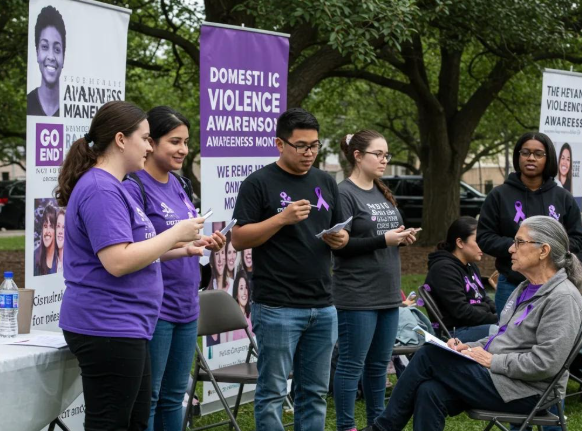
Domestic violence in South Carolina claims over 25,000 police reports annually and devastates families across Pee Dee and Lowcountry communities. Recognizing October as Domestic Violence Awareness Month highlights both the urgent need for protection and the legal remedies available. This article empowers residents with clear definitions of abuse, a walkthrough of protective orders, and an overview of victim rights under state law. It also maps child custody impacts, filing procedures, local support, and key statutory penalties—all guided by expert insights from a family law attorney in Florence, SC. Readers will learn:
-
What domestic violence entails and why awareness matters.
-
How protective orders differ and how to obtain them.
-
The spectrum of rights and resources for survivors.
-
The influence of abuse on custody, divorce, and legal strategy.
By blending legal clarity with compassionate guidance, this resource positions Smith Ammons Law as a trusted partner for anyone facing these challenges.
What Is Domestic Violence and Why Is Awareness Month Important in South Carolina?
Domestic violence under South Carolina law is defined as a pattern of physical, emotional, sexual, or psychological abuse committed by one household member against another. This definition establishes legal grounds for protection and prosecution—for example, repeated threats or forced isolation qualify as abuse. Raising awareness each October promotes prevention campaigns, survivor outreach, and community training, which in turn strengthens reporting rates and victim safety. A robust understanding of abuse types prepares communities to identify warning signs and support legal remedies.
How Is Domestic Violence Defined Under South Carolina Law?
Under SC Code Section 16-25-10, domestic violence encompasses assault, battery, criminal sexual conduct, stalking, or threats among current or former spouses, partners, cohabitants, or family members. The statute protects:
-
Physical violence such as hitting or choking.
-
Emotional and psychological abuse including intimidation or isolation.
-
Sexual exploitation or coercion by a household member.
-
Economic control like withholding financial resources.
By clarifying each category, the law empowers courts and enforcement agencies to apply appropriate protective measures. Understanding these classifications leads directly into assessing the local impact.
South Carolina Code of Laws: Domestic Violence
South Carolina law defines domestic violence under Section 16-25-10, specifying “household member” relationships and prohibited acts. Penalties for domestic violence offenses, including violations of protective orders, are detailed in statutes such as Section 16-25-20 and Section 16-25-65, with severity increasing based on the degree of the offense and prior convictions.
What Are the Key Statistics on Domestic Violence in South Carolina?
South Carolina consistently ranks among the top states for domestic violence fatalities, with 30 household-member homicides in 2023 and 90 percent involving firearms. Annually, law enforcement responds to an average of 32,563 intimate partner violence incidents. Surveys show over 42 percent of women and 29 percent of men experience partner violence, while annual economic losses reach $358 million. These ps underscore the critical need for targeted awareness campaigns and legal protections that Awareness Month amplifies.
South Carolina Domestic Violence Fatality Report 2023; The Economic Impact of Domestic Violence in South Carolina, 2020
In 2023, South Carolina reported 30 homicides by a household member, with firearms being the primary weapon in 90% of these cases. Annually, the state records an average of 32,563 intimate partner violence incidents. The economic impact of domestic violence in South Carolina reached an estimated $358.4 million in 2020, encompassing costs related to healthcare, law enforcement, and lost productivity.
How Does Domestic Violence Awareness Month Help Victims and Communities?
Domestic Violence Awareness Month mobilizes shelters, legal aid clinics, and law enforcement to host outreach events, training seminars, and fundraising drives. Community coalitions coordinate public education on warning signs and help survivors navigate protective orders. For instance, local shelters in Florence and Georgetown counties offer free workshops on safety plans. By spotlighting resources and legal options, Awareness Month enhances collaboration among nonprofits, courts, and crisis hotlines, ultimately improving access to protection.
What Are the Different Types of Protective Orders in South Carolina?
A protective order is a civil remedy designed to restrain abusive conduct and preserve victim safety. In South Carolina, orders include emergency, temporary, and permanent variants issued by family or magistrate courts. Knowing these distinctions helps survivors choose the most suitable legal tool to halt violence and secure long-term peace.
What Is an Order of Protection and Who Can File for It?
An Order of Protection shields victims from further abuse through court-mandated restrictions on contact and proximity. Eligible petitioners include spouses, current or former household members, parents of shared children, and those in dating relationships. By defining petitioner status broadly, the law ensures timely access to relief for anyone facing imminent danger.
How Do Emergency and Permanent Restraining Orders Differ in SC?
Below is a comparison of key features for emergency versus permanent restraining orders in South Carolina.
Emergency Order – Lasts 5–10 days until a hearing. It applies to any qualifying petitioner facing immediate danger and is issued ex parte, meaning without the respondent present. Law enforcement enforces it immediately.
Temporary Order – Valid for up to 30 days following an initial hearing, requiring prima facie evidence of risk. It is court-ordered, and police respond to any violations.
Permanent Order – Effective for up to 3 years and renewable after review. Granted after a full court hearing with notice, it carries serious weight—violations are criminal offenses and authorize arrest.
Each order serves a specific stage in the protection process, guiding victims from immediate relief to longer-term security. Choosing the right order establishes a foundation for detailed filing steps.
What Is the Filing Process for Protective Orders in Family and Magistrate Courts?
Survivors can secure an order through the following steps:
-
Complete the Petition: Fill out forms at your local magistrate or family court clerk’s office.
-
Swear Under Oath: Provide a sworn statement of abuse incidents.
-
Attend an Ex Parte Hearing: A judge reviews evidence without the respondent present.
-
Receive Emergency Relief: If granted, the order becomes effective immediately.
-
Participate in a Full Hearing: Both parties present evidence within 10 days for a temporary or permanent ruling.
What Protections Do These Orders Provide to Victims?
Protective orders can:
-
Prohibit the abuser from stalking or contacting the victim.
-
Mandate temporary custody or visitation arrangements.
-
Require the abuser to vacate shared residences.
-
Enforce no-contact zones around workplaces or schools.
What Are the Penalties for Violating Protective Orders in South Carolina?
Violating a protective order constitutes a criminal offense under SC Code Section 16-25-65. A first violation is a misdemeanor carrying up to 30 days in jail and a fine up to $500. Subsequent violations escalate to felony charges with possible imprisonment up to three years. Law enforcement agencies prioritize enforcement to deter repeat offenses and uphold victim security.
What Rights Do Domestic Violence Victims Have in South Carolina?
Victims of domestic violence in South Carolina enjoy a spectrum of constitutional and statutory rights designed to safeguard their privacy, autonomy, and access to justice. These rights form the backbone of legal recourse and support services across the state.
How Can Victims Protect Their Safety and Confidentiality?
Victims can:
-
Request a Confidential Address: Use the Address Confidentiality Program to shield home location.
-
Seek Emergency Shelter: Access 24/7 domestic violence shelters through local hotlines.
-
Implement a Safety Plan: Coordinate with advocates to establish secure housing and communication protocols.
-
Use Privacy Protections: Limit court document disclosure and redact personal data from public records.
What Legal Recourse Is Available for Victims Facing Abuse?
Survivors may pursue:
-
Civil Protective Orders: Emergency, temporary, and permanent orders to stop abuse.
-
Criminal Prosecutions: Coordinate with prosecutors to file assault or stalking charges.
-
Civil Suits: Seek damages for medical expenses, lost wages, and emotional distress.
-
Family Law Relief: Request custody adjustments or spousal support based on abuse allegations.
What Support Services and Resources Are Available in SC?
South Carolina offers a network of victim resources including:
-
Shelters: Safe Harbor (Florence), Cumbee Family Center (Myrtle Beach), Pee Dee Coalition (Darlington).
-
Hotlines: 1-800-Mayday (M.A.Y.D.A.Y. Crisis Line).
-
Legal Aid: South Carolina Legal Services for low-income survivors.
-
Counseling: Certified domestic violence counselors and trauma therapists statewide.
How Does Smith Ammons Law Support Victims in Pee Dee and Lowcountry Regions?
Smith Ammons Law provides expert legal representation for protective order petitions, criminal defense against false allegations, and family law matters impacted by abuse. Their compassionate team guides clients through every filing step, courts in Florence and Georgetown, and collaborates with local advocates to bolster safety plans. By combining statutory expertise with regional insights, the firm stands ready to protect rights and promote healing. For more information, visit https://smithammonslaw.com/.
How Does Domestic Violence Affect Child Custody and Family Law Cases in South Carolina?
Domestic violence significantly influences family court decisions by prioritizing child safety and parental fitness. Allegations of abuse trigger enhanced scrutiny under the best-interest standard and can reshape custody and visitation arrangements.
How Is Child Custody Determined When Domestic Violence Is Alleged?
When abuse is alleged, courts assess the child’s best interests by evaluating:
-
History of Family Violence: Documented protective orders or criminal convictions.
-
Parental Fitness: Ability to provide safe, stable environments.
-
Child’s Emotional Wellbeing: Evidence of trauma or fear.
-
Support Systems: Availability of counseling and community resources.
What Are Supervised Visitation and Protective Custody Options?
Victims and children may benefit from:
-
Supervised Visitation with court-approved monitors.
-
Exchange Centers that facilitate safe handoffs outside the home.
-
Stay-Away Orders that restrict visitation if the respondent fails to comply.
How Does Domestic Violence Influence Divorce, Alimony, and Property Division?
In fault-based divorces citing physical cruelty, courts may award spousal support or an unequal property split in favor of the victim. Evidence of abuse can justify alimony to cover relocation and therapy costs. Marital misconduct findings underscore the court’s commitment to equitable financial relief.
What Legal Strategies Can Protect Victims and Respond to False Accusations?
Victims and accused parties can:
-
Gather Corroborating Evidence such as medical records and witness statements.
-
Retain Expert Witnesses to contextualize behavioral patterns.
-
File Motions for Protective Orders to separate false claims from genuine safety threats.
How Can Individuals File for Protective Orders and Seek Legal Help in South Carolina?
Securing a protective order and competent representation empowers victims to navigate the justice system effectively. Knowing when and how to act streamlines access to essential legal relief.
What Are the Step-by-Step Procedures to Obtain a Protective Order in SC?
Follow this procedural guide to obtain a protective order:
-
Visit the magistrate or family court clerk to request forms.
-
Complete the petition with detailed accounts of abuse.
-
File the petition under oath and receive an ex parte hearing date.
-
Present evidence and testimony for a temporary order at the hearing.
-
Return for a full hearing within 10 days to seek a permanent order.
-
Serve the order on the respondent through law enforcement.
When Should You Contact a Domestic Violence Attorney in South Carolina?
Victims and respondents should consult an attorney when:
-
Abuse allegations require strategic evidence gathering.
-
Protective order hearings demand legal advocacy.
-
Child custody or divorce negotiations intersect with abuse claims.
-
False accusations threaten reputations or parental rights.
How Does Smith Ammons Law Assist with Protective Orders and Domestic Violence Cases?
Smith Ammons Law specializes in drafting compelling petitions, preparing witnesses, and presenting evidence at hearings. Their attorneys negotiate with prosecutors on criminal charges and advocate for fair custody resolutions. By combining litigation experience with compassionate advocacy, the firm consistently secures orders that reinforce client safety and legal standing.
What Should You Prepare Before Filing or Defending Against a Protective Order?
Effective preparation involves assembling:
-
Police reports, medical records, and photographs documenting abuse.
-
Witness statements or affidavits corroborating incidents.
-
Digital communications such as texts or emails with threats.
-
A personal safety plan outlining relocation or support contacts.
What Local Resources and Support Are Available for Domestic Violence Victims in Pee Dee and Lowcountry SC?
Regional partnerships and community programs offer survivors tailored support across rural and coastal areas, enhancing access to shelter, counseling, and legal aid.
Which Domestic Violence Shelters and Hotlines Serve These Areas?
Key resources include:
-
Pee Dee Coalition (Darlington): Emergency shelter and support groups.
-
Safe Harbor (Florence): Transitional housing and 24-hour crisis line.
-
Cumbee Center (Myrtle Beach): Counseling services and youth programs.
-
M.A.Y.D.A.Y. Crisis Line: 1-800-973-3359 for immediate assistance.
How Can Victims Access Legal Aid and Counseling Services Locally?
Victims may connect with:
-
South Carolina Legal Services for low-income representation.
-
Court-Appointed Advocates through family court programs.
-
Certified Counselors at community mental health centers.
What Community Programs Promote Awareness and Prevention During Domestic Violence Awareness Month?
Local initiatives include:
-
“Purple Ribbon” Campaigns across municipal buildings.
-
“Awareness Walks” in Florence and Beaufort counties.
-
“Training Workshops” for first responders and educators.
-
“School Outreach” programs that teach healthy relationship skills.
What Are the Current South Carolina Domestic Violence Laws and Penalties?
South Carolina’s domestic violence statutes establish a legal framework for offenses ranging from misdemeanors to felonies, ensuring accountability and victim protection.
What Are the Degrees of Domestic Violence Offenses Under SC Law?
First Degree: Classified as a felony involving bodily injury with a weapon or causing serious harm.
Penalty: 10 years imprisonment and fines up to $25,000.
Second Degree: Classified as a felony involving bodily injury without a weapon.
Penalty: 5 years imprisonment and fines up to $10,000.
Third Degree: Classified as a misdemeanor involving a threat or minor injury.
Penalty: Up to 90 days in jail and fines up to $1,000.
How Does the Domestic Violence Reform Act of 2015 Affect Victim Protection?
The 2015 reform clarified abuse definitions, expanded eligibility for protective orders, and mandated training for law enforcement. It also eliminated temporary order gaps at filing, significantly reducing the period when victims lacked legal shields.
South Carolina’s Domestic Violence Reform Act of 2015; Orders of Protection in South Carolina: An Examination of Variables for 2019
The 2015 Domestic Violence Reform Act in South Carolina aimed to strengthen laws, clarify abuse definitions, and enhance victim protection, described by Attorney General Alan Wilson as a “giant first step.” A 2024 report by University of South Carolina faculty highlighted that the state is unique in not offering temporary protective orders between the initial filing and the full hearing, a procedural gap that can impact victim safety.
What Are the Typical Penalties for Domestic Violence Convictions in South Carolina?
Convictions can:
-
Mandatory Counseling and batterers’ intervention programs.
-
Restitution for medical costs and property damage.
-
Probation Conditions including no-contact and firearm surrender.
-
Enhanced Sentences for violations or repeat offenses.
Domestic Violence Awareness Month shines a spotlight on critical protections available under South Carolina law while empowering individuals to act swiftly when danger arises. By mastering definitions, procedures, and rights, victims gain the tools to secure safety and justice. Expert counsel from Smith Ammons Law ensures that each legal step—from filing petitions to navigating custody or divorce—is handled with both compassion and courtroom acumen. With community resources, statutory remedies, and professional support working in concert, South Carolina victims can reclaim stability and rebuild their lives.